
Men’s Pelvic Therapy
You’re not alone.
Pelvic floor dysfunction isn’t just a women’s issue. Whether you’re dealing with genital pain that's been dismissed , unexplained bladder or bowel symptoms, or a prostatectomy you're either preparing for or recovering from, you’re in the right place.
Male pelvic floor dysfunction is more common than people realize, but social stigmas mean that many men often suffer in silence.That doesn’t have to be your experience.
Whatever you’re facing, know that you’re not alone, and relief is possible.


Conditions Treated
Prostatectomy preparation
Post-Prostatectomy recovery and rehabilitation
Genital pain syndromes
Pelvic floor dysfunction
Erectile dysfunction
Bowel and bladder dysfunction
Tailbone pain
Back and hip pain

Kind words from a patient:
“Three years ago I began to experience some confusing, debilitating physical challenges. My Urologist decided, after several frustrating months without improvement, to write me a prescription for pelvic floor physical therapy through my insurance plan.
Over the next 18 months I had numerous sessions with the same therapist. However, even though they were perfectly professional and competent, they were only marginally successful in alleviating my symptoms. Becoming discouraged, I decided to explore practitioners outside the traditional insurance networks.
I’ve just had my fourth visit with Marny, and can enthusiastically report that my symptoms and pain have already diminished significantly.
I was astonished to witness the extent to which insurance regulations restrict in-network Pelvic Floor physical therapists. Marny has a far greater array of treatment options at her disposal, and takes the time to discover root causes that may be located anywhere in the body.
Marny is also remarkably kind, compassionate and professional. Her offices are well-equipped and immaculate. I have felt safe and comfortable under her guidance, and for the first time in nearly three years I’m enjoying sustained symptom and pain relief.
I recommend Marny sincerely and wholeheartedly.”
— John B.
What to Expect
At Haven PT, men's pelvic therapy utilizes the same integrated, whole-body approach I take with all of my patients. Your pelvic floor impacts the functioning of far more systems than most men realize, including but not limited to bladder and bowel function, sexual function, and hip and core stability, so I assess and treat it as part of an entire system system, not on its own.
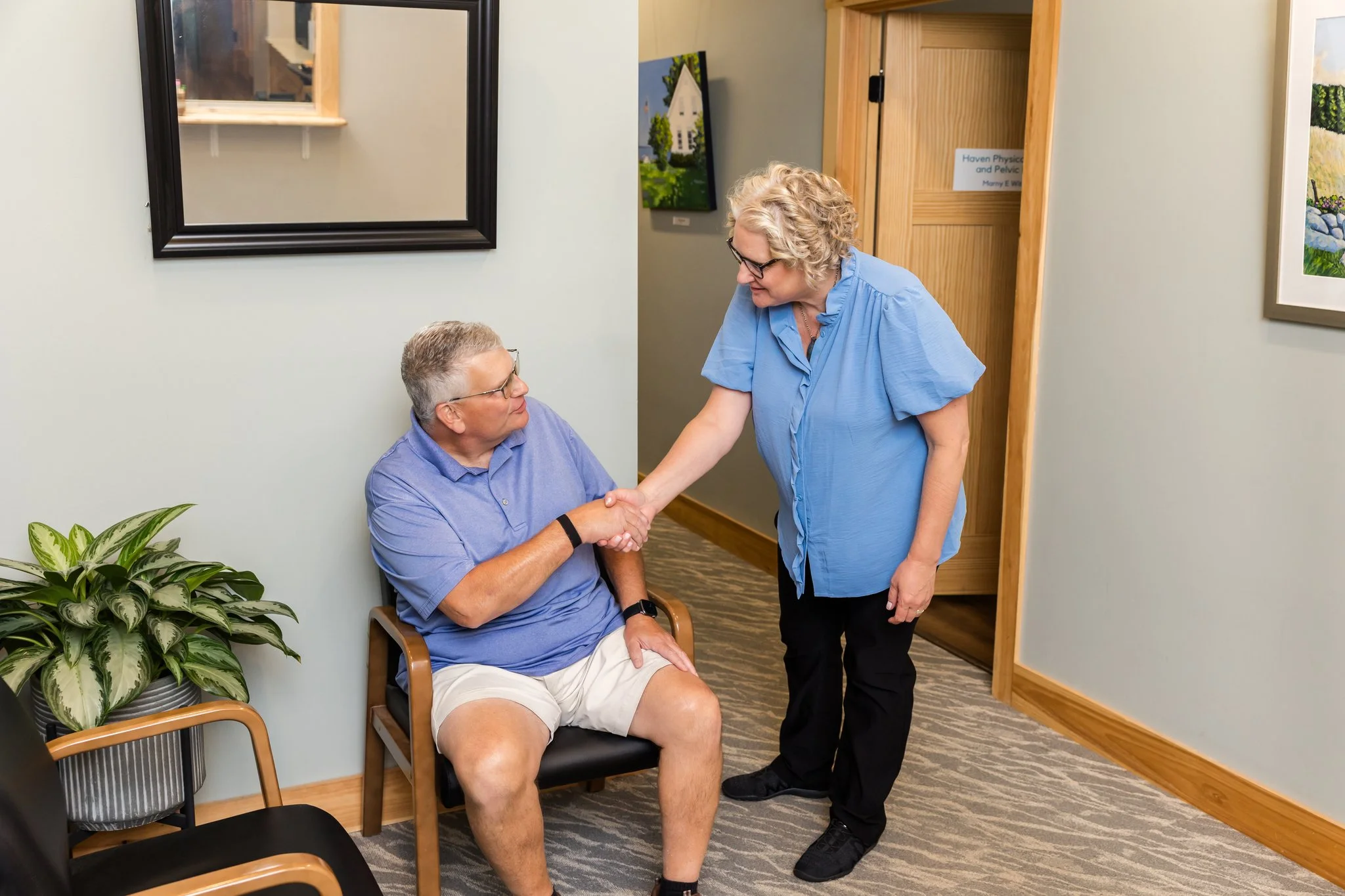
I'm the sole provider at Haven PT, and your entire plan of care, from your first phone call through your final session, will be with me. You’ll never have to worry about re-explaining sensitive topics to a revolving door of providers. Every session takes place in a private treatment room, and treatment begins at your very first visit.
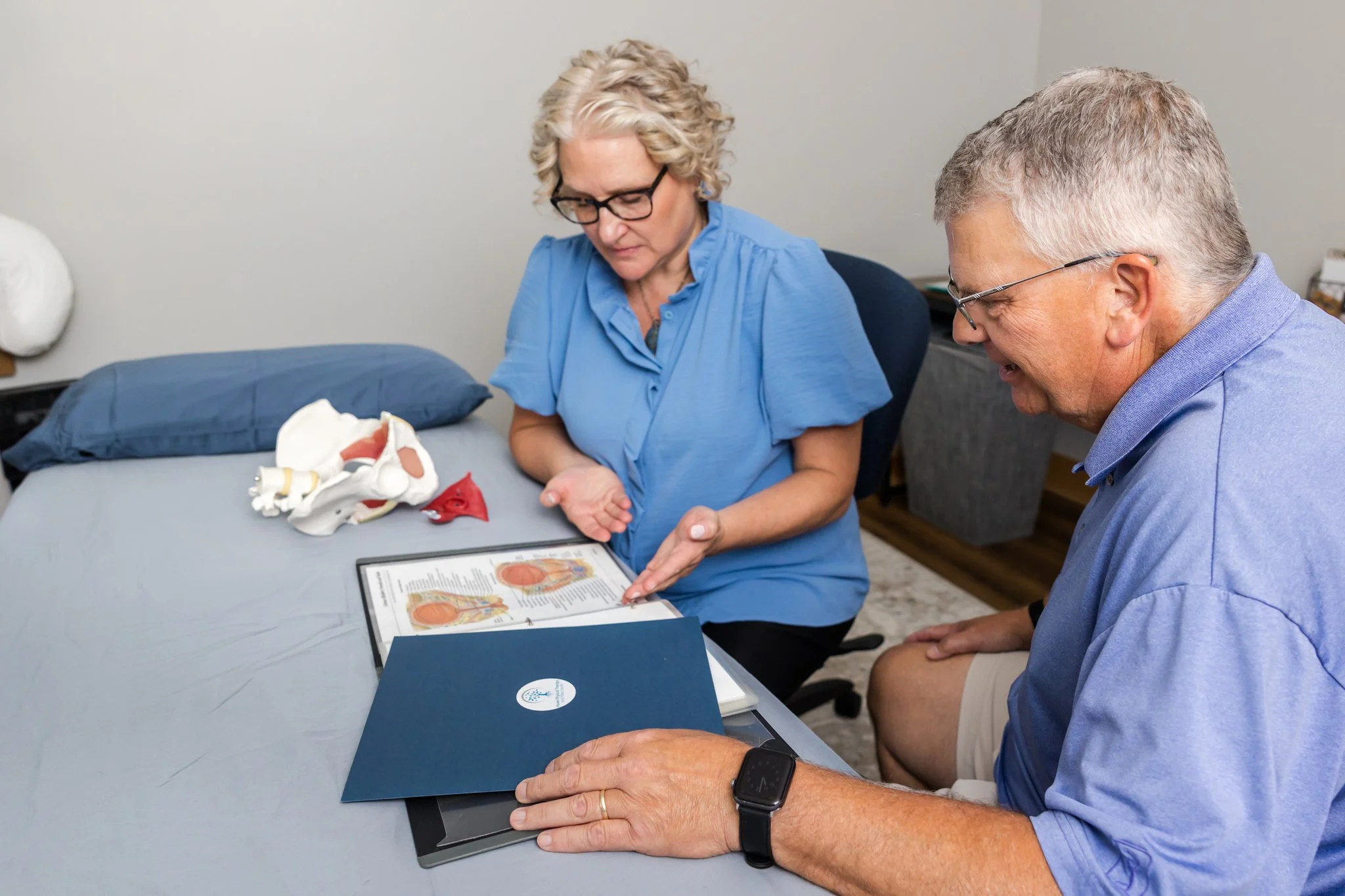
Your initial session includes a robust discussion and comprehensive physical examination that looks at multiple systems of the body (musculoskeletal system, nervous system, urogenital system, visceral system) and may include an intrarectal pelvic floor examination. Intrarectal pelvic floor examinations are considered the gold standard of pelvic floor care, but will only ever be performed with your full consent and your full understanding of what an examination entails and why it is warranted.
Your first visit is scheduled for two hours and includes time for both examination and treatment. Follow-up visits are one hour long, and mini examinations are performed each session to track progress and ensure the plan of care continues to be best suited for your needs.
How Treatment Works
-
Where We Begin
Treatment begins at your first session and can include a number of different interventions including manual work, corrective exercise, nervous system regulation strategies, lifestyle modifications, education, and modalities such as cupping, e-stim, and dry needling based on your symptoms and specific needs.
-
Manual Therapy
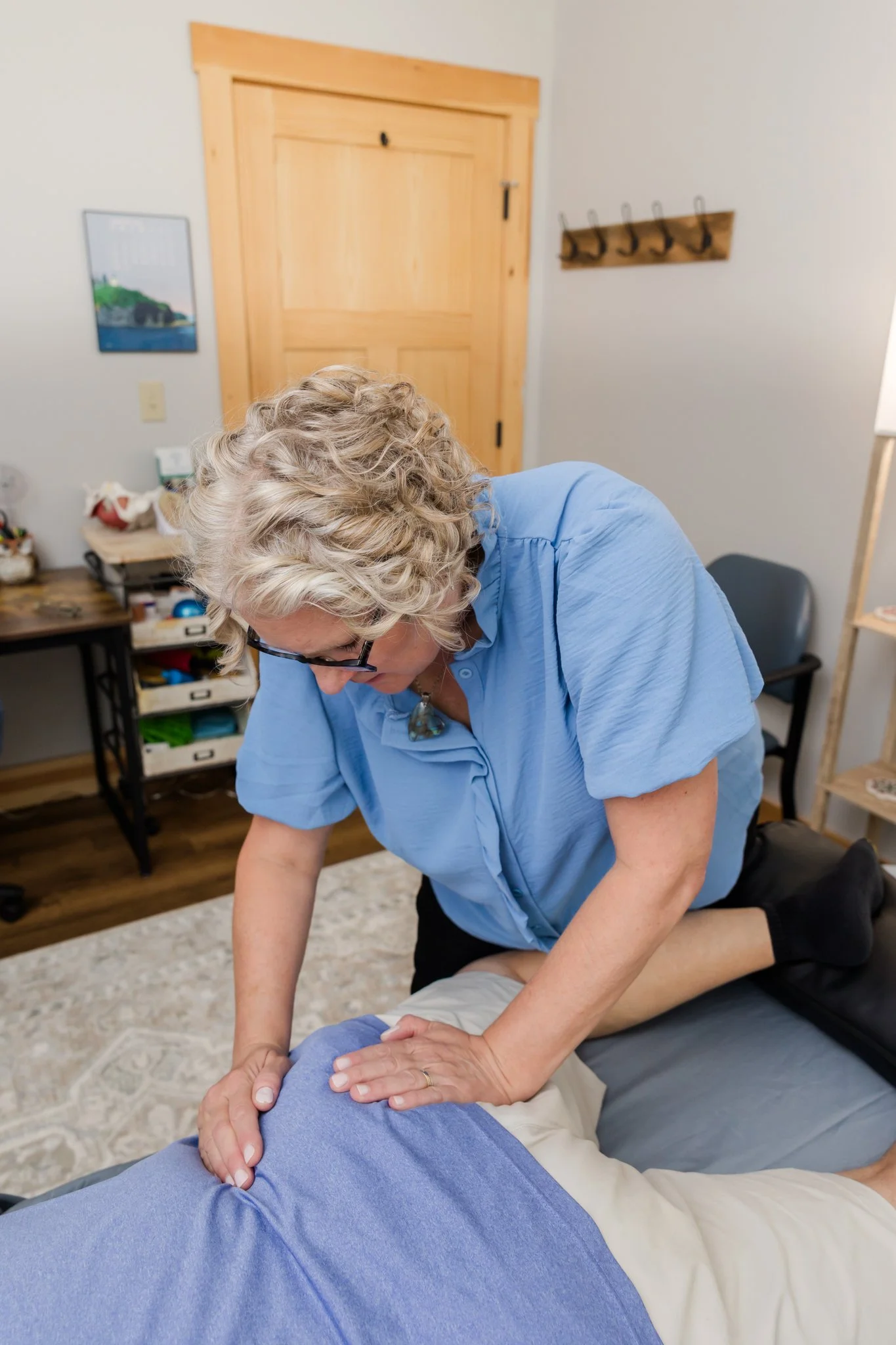
Manual therapy is one of the cornerstones of treatment. Techniques may include soft tissue mobilization, visceral mobilization, improving biomechanics, and easing tension in the abdominal and pelvic tissues.
-
Movement
While manual therapy is powerful, movement is medicine, and it's just as essential for long-term resolution of symptoms. During our sessions, you will be coached through corrective and progressive exercise to help build strength, support posture and breath mechanics, and promote optimal pelvic floor function.
-
Home Program
Lastly, you’ll also be given a realistic home program, exercises, symptom management strategies, and lifestyle modifications, to complement your sessions and help you continue making progress between visits.
The total number of sessions required depends on your specific presentation, but clear communication about outcomes and expectations starts at our very first session together, and you are always an active participant in the process. You will always know how things are progressing, you will understand the purpose of every intervention, and you will always be encouraged to share your concerns and ask any questions.
Frequently Asked Questions about Pelvic Floor Physical Therapy
-
Depending on your diagnosis or symptom presentation, a male pelvic floor exam includes a combination of visual and palpatory (touch) examination of the perineum, external genitalia, and/or a digital intrarectal examination of your pelvic floor musculature, tissues, and tailbone.
-
I encourage 2 weeks after your foley catheter is removed, which tends to be 3 weeks post op.
-
A prehab plan is usually 3-5 sessions if you do not have active symptoms that we are addressing. There is a lot of education in what to expect post op and how to address these symptoms. This could include ways to avoid constipation, strategies to reduce pain and improve mobility directly post op, and learning about what hygiene products to have on hand for the most common symptom post-op, urinary leakage. Mostly there is a focus on developing an exercise program to train the muscles that aid in bladder control that men do not usually need to use until their prostate is removed.
-
Education is power. It can be calming to your mind to have some guidelines, expectations, and proactive approaches to get you through your immediate post op recovery phase. Learning how to engage the muscles properly that control urinary incontinence and practicing these exercises leading up to your surgery creates muscle memory and improved muscle power/bulk/endurance, which can help improve outcomes once cleared by your surgeon to exercise post op.
-
A partner, friend, or chaperone is always welcome. I want you to do what makes you most comfortable.