
Pregnancy Physical Therapy
So…you’re pregnant! Congratulations!
Whether getting pregnant went exactly as planned, took years, came as a surprise, or happened with the help of fertility treatment, your experience is unique to you, and so is what your body needs right now. Maybe something hurts that didn't before. Maybe you're preparing for delivery and want to go in feeling ready. Maybe nothing hurts yet and you simply want to safely stay active and stay ahead of things. Whatever brought you here, I’m here to help.
What's Happening in Your Body: Pregnancy asks more of your body with every week that passes. Hormones loosen your ligaments to prepare for delivery, which can leave joints, especially in your pelvis and low back, feeling less stable than they used to. As your belly grows, your center of gravity shifts, changing how you stand, walk, and move through your day. Your pelvic floor takes on more load every week.
These changes are a normal (and incredible) part of pregnancy, and physical therapy can help you move through them more comfortably while also preparing your body for delivery itself.

Services & Conditions Treated
Bladder leakage
Constipation
Pelvic girdle pain, especially pubic bone or tailbone
Painful intercourse
Pelvic organ pressure or prolapse
Diastasis recti, abdominal separation
Vulvar swelling or vascular congestion
Whole-body musculoskeletal aches, pains, strains, or inflammation
Birth Prep
Worth noting, you don’t need to be in pain or dealing with any symptoms in order to receive pregnancy physical therapy. Women do come in proactively to prepare their body for labor and delivery, to set themselves up for an easier postpartum recovery, or simply for education on what to expect and for help making a plan.
Birth Prep is offered for patients who aren't dealing with symptoms but want to prepare for delivery. This can include breathing and push-prep techniques, evaluating how your pelvic floor responds under load, reviewing birthing positions suited to your body, or strategizing for a planned cesarean.

At Haven PT, pregnancy physical therapy uses the same integrated, whole-body approach I use with all of my patients.
Your plan adapts week to week as your body changes, because what helped in week 12 isn't necessarily what you need in week 30. I treat preventatively, not just reactively, which means caring for your muscles, fascia, organs, joints, and nervous system alike. Nervous system regulation isn't just for pain management here. It's also part of preparing for birth and recovering afterward. Learning to recognize and influence your stress response can help you feel calmer and more in control during labor, delivery, and those early postpartum days.
What to Expect
I work with women throughout pregnancy, from the first trimester through the day before delivery, and even before conception if you're preparing to try. Some patients come in with a preexisting condition that pregnancy is aggravating, some develop new symptoms along the way, and some feel great and simply want to stay that way. Every plan is individualized to you, your symptoms, and your goals.
As with all care at Haven PT, I'm the sole provider and you’ll never have to worry about re-explaining yourself to a revolving door of providers. Every session takes place in a private treatment room, and treatment begins at your very first visit.
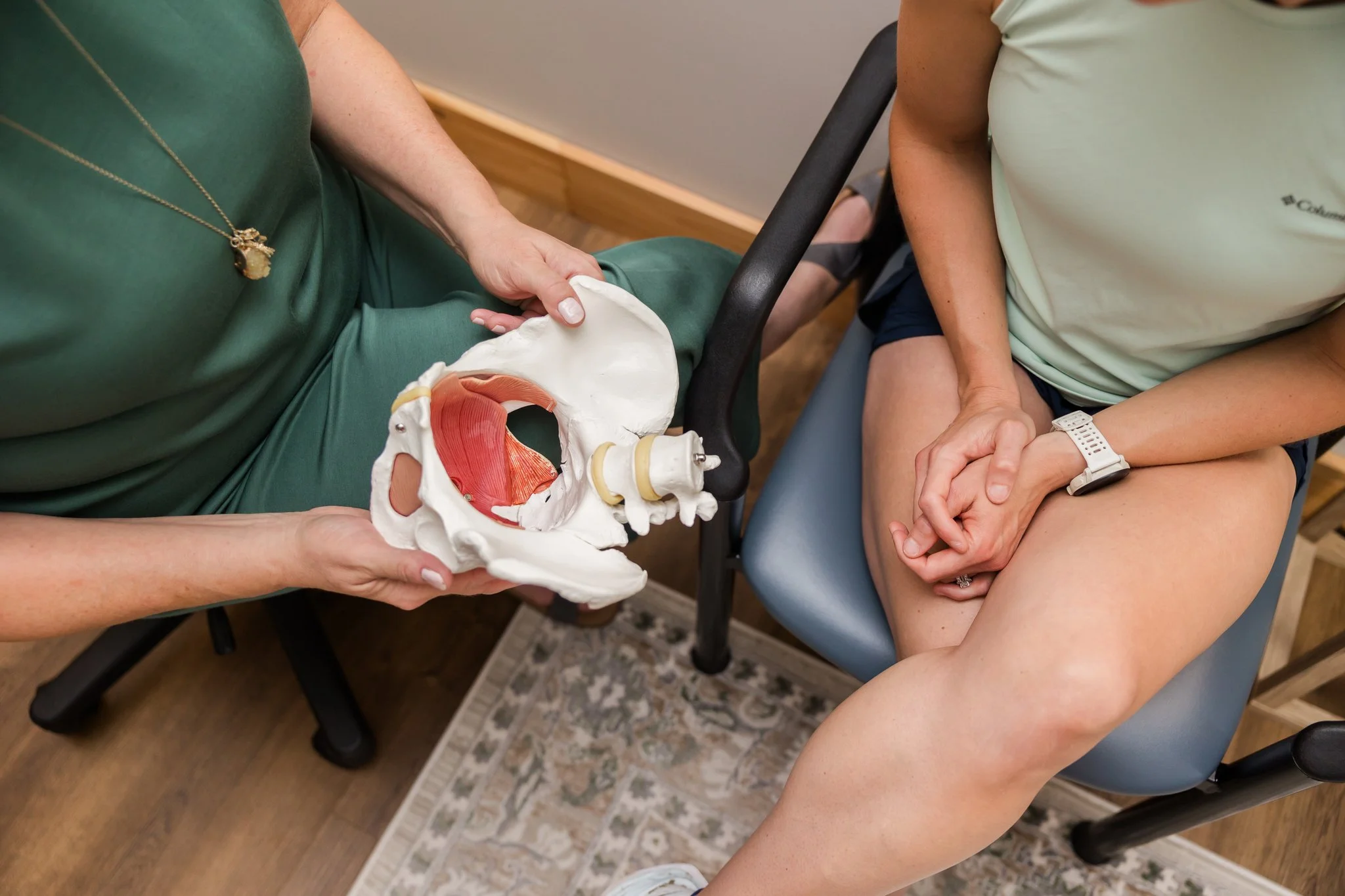
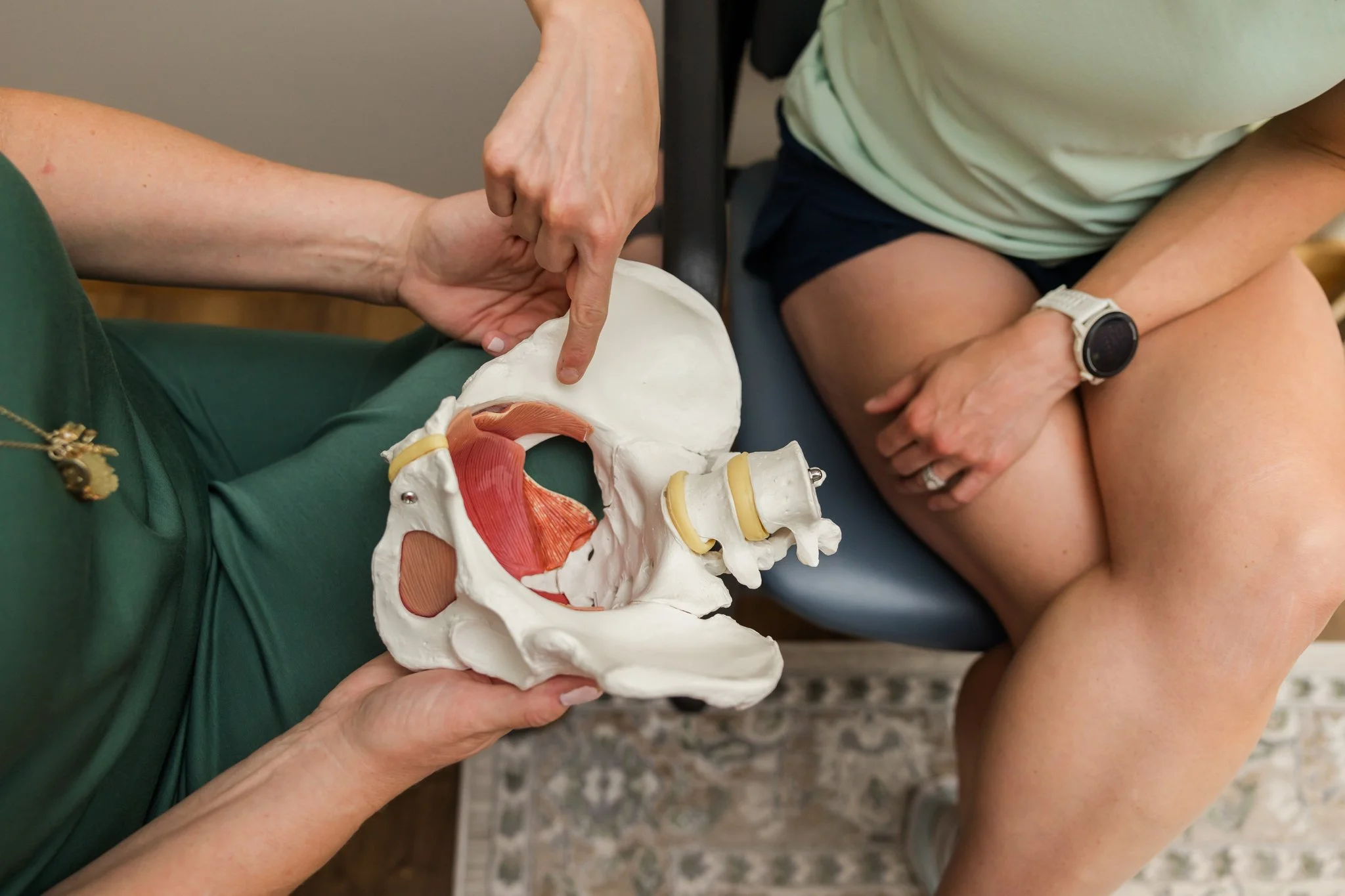
Your initial session includes a robust discussion and comprehensive physical examination that looks at multiple systems of the body (musculoskeletal system, nervous system, urogenital system, visceral system) and may include an internal pelvic floor examination. Internal pelvic floor examinations are considered the gold standard of pelvic floor care, and will only ever be performed with your full consent. Internal exams are safe during pregnancy, but any precautions or restrictions from your OB and/or midwife will be respected and built into the plan of care.
Your first visit is scheduled for two hours and includes time for both examination and treatment. Follow-up visits are one hour long, and mini examinations are performed each session to track progress and ensure the plan of care continues to be best suited for your needs.

How Treatment Works
-
Where We Begin
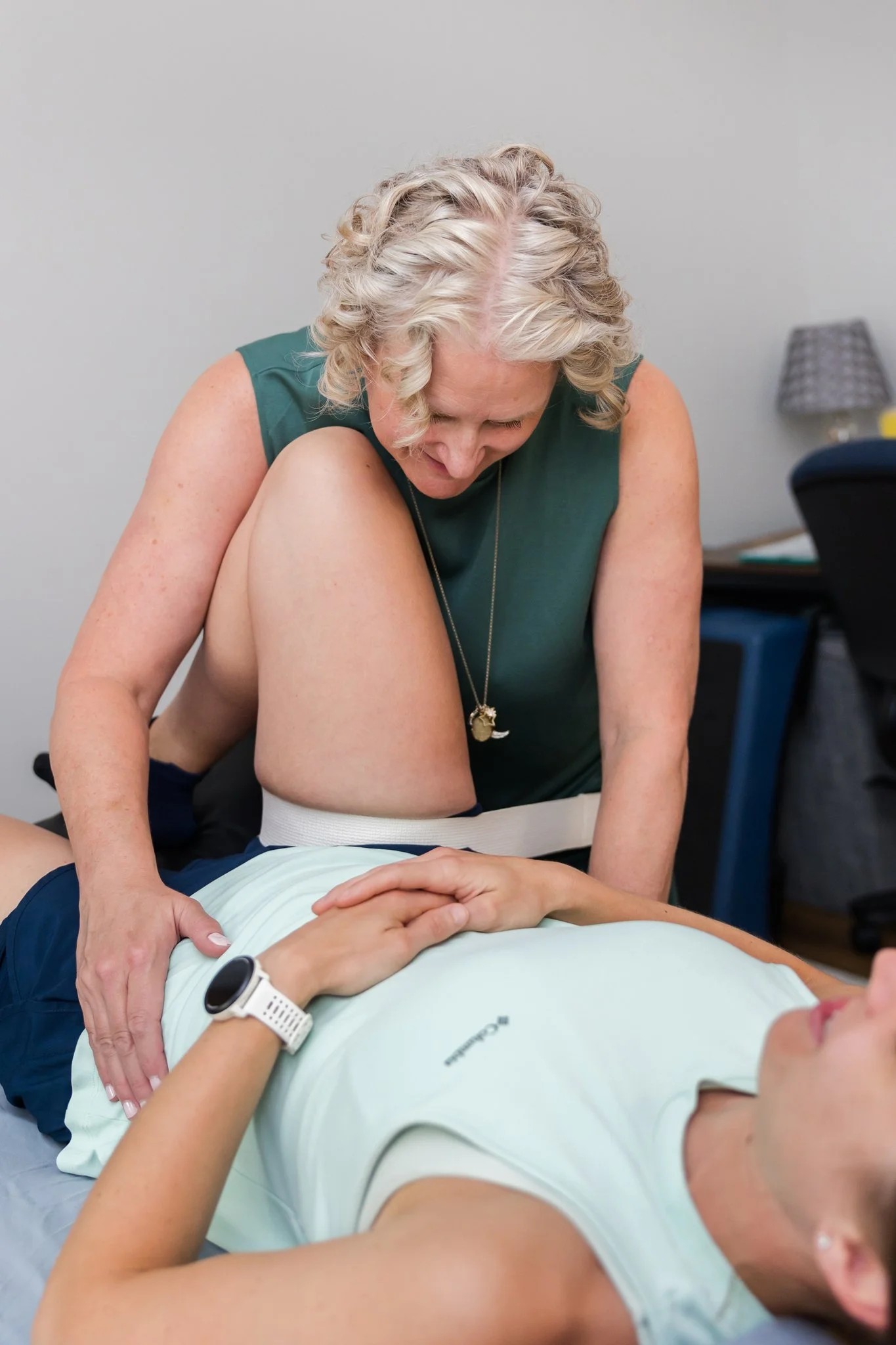
Treatment begins at your first session and can include a number of different interventions including manual work, corrective exercise, nervous system regulation strategies, lifestyle modifications, education, and modalities such as cupping, e-stim, and dry needling based on your symptoms and specific needs.
-
Manual Therapy
Manual therapy is one of my cornerstones of care during pregnancy. Techniques may include visceral mobilization, balancing uterine ligaments, improving biomechanics, creating space for the growing womb, and easing tension in the abdominal and pelvic tissues. These hands-on approaches can also help regulate your nervous system, shifting you out of fight-or-flight and into rest-and-digest, which is not only helpful for pain, but also for labor and delivery.
-
Movement
While manual therapy is powerful, movement is medicine, and is just as essential for a healthy pregnancy. Many women understandably develop a fear of movement during pregnancy, especially when pain or discomfort shows up. But often, the best way forward is not to retreat—it’s to move mindfully and with guidance. Together we'll work on building strength and stability through pregnancy-safe movement, supporting your posture and breath mechanics, promoting pelvic floor function, and creating the resiliency your body needs for delivery and postpartum recovery.
-
Home Program
You'll also be given a realistic home program, exercises, symptom management strategies, and lifestyle modifications, to complement your sessions and keep things moving forward between visits.
My goal is to help you feel better, move easier, and feel confident in your body's ability to adapt, through pregnancy, delivery, and everything after. I've helped hundreds of women through this process and I look forward to working with you.
Frequently Asked Questions about Pregnancy Physical Therapy
-
Absolutely. Pelvic PT during pregnancy has existed for decades and encompasses a lot more than just the pelvic floor. The PT plan should be individualized to the pregnancy and the trimester. I would love to help you during your pregnancy journey, but should you decide we’re not a fit I would advise that you find another provider who also has specialty training in the perinatal population to receive the most benefit of care.
-
Yes, when consented to and clinically indicated. Internal pelvic floor work is safe during pregnancy and can provide valuable information about pelvic floor health and function.
-
Research shows that pelvic floor physical therapy can help reduce tearing by improving pelvic floor muscle length and tissue pliability through direct manual therapy to the perineum, and by teaching breathing and pushing techniques that help keep the tissue intact. Learning these techniques can also reduce anxiety and improve the brain-body connection, giving you more coordination and control over your pelvic floor muscles.
-
If you are symptomatic, the sooner the better. If you are seeking services to prepare for birth, I would encourage the beginning of your second trimester. Keep in mind it may take 2-3 weeks to get in the schedule, so plan accordingly. The frequency of visits will be very individualized and we will discuss your specific plan upon your first visit.