
Postpartum Physical Therapy

You’re in the Right Place
Maybe your birth went nothing like you'd planned. Or maybe it went exactly as expected, but you’ve got symptoms you can’t get rid of and your body still doesn't feel like your own. Whether you delivered vaginally or by C-section, whether this is your first baby or your third, postpartum symptoms don't come with an expiration date, and they're not something you just have to live with. Too often, women are told these symptoms are “normal” and are just what happens after having a baby. While postpartum symptoms are very common, they are absolutely not something you just have to live with. Relief is possible, and you’re in the right place.
What's Happening in Your Body: Growing and delivering a baby is one of the most physically incredible things your body will ever do. Vaginal delivery stretches, and often tears, your pelvic floor. A C-section is major abdominal surgery, and the resulting scar tissue can restrict your fascia and affect how your whole core functions. Regardless of delivery method, your pelvic floor experiences increasing demands for 40 weeks. Diastasis recti, the separation of your abdominal muscles, affects core stability, and how you retrain those muscles matters. Hormones also keep shifting for months postpartum, especially if you're breastfeeding, which can affect tissue elasticity even after your tissues are fully healed. Incontinence, pain with sex, and prolapse symptoms often live in that gap between physiologically healed and fully recovered, which is exactly where postpartum physical therapy comes in.


Conditions Treated
Urinary leakage and bladder issues
Pelvic organ prolapse
Pain with intercourse after birth
Diastasis recti (DR) recovery
C-section scar and recovery
Core corrective management
Return to exercise and sport
Birth trauma and emotional recovery
What to Expect
At Haven PT, postpartum physical therapy utilizes the same integrated, whole-body approach I take with all of my patients. This means I never look at your pelvic floor in isolation. My approach looks to identify what systems are affecting the pelvic floor, and then correcting the function outside the pelvis.
As with all care at Haven PT, I'm the sole provider and will be with you from your first phone call through your final session. Every session takes place in a private treatment room, and treatment begins at your very first visit.
Your initial session includes a robust discussion and comprehensive physical examination that looks at multiple systems of the body (musculoskeletal system, nervous system, urogenital system, visceral system) and may include an internal pelvic floor examination. Internal pelvic floor examinations are considered the gold standard of pelvic floor care, but will only ever be performed with your full consent.
Your first visit is scheduled for two hours and includes time for both examination and treatment. Follow-up visits are one hour long, and include mini examinations to track progress and ensure the plan of care continues to be appropriate for your goals.
How Treatment Works
-
Where We Begin
Treatment begins at your first session and can include a number of different interventions including manual work, corrective exercise, nervous system regulation strategies, lifestyle modifications, education, and modalities such as cupping, e-stim, and dry needling based on your symptoms and specific needs.
-
Manual Therapy
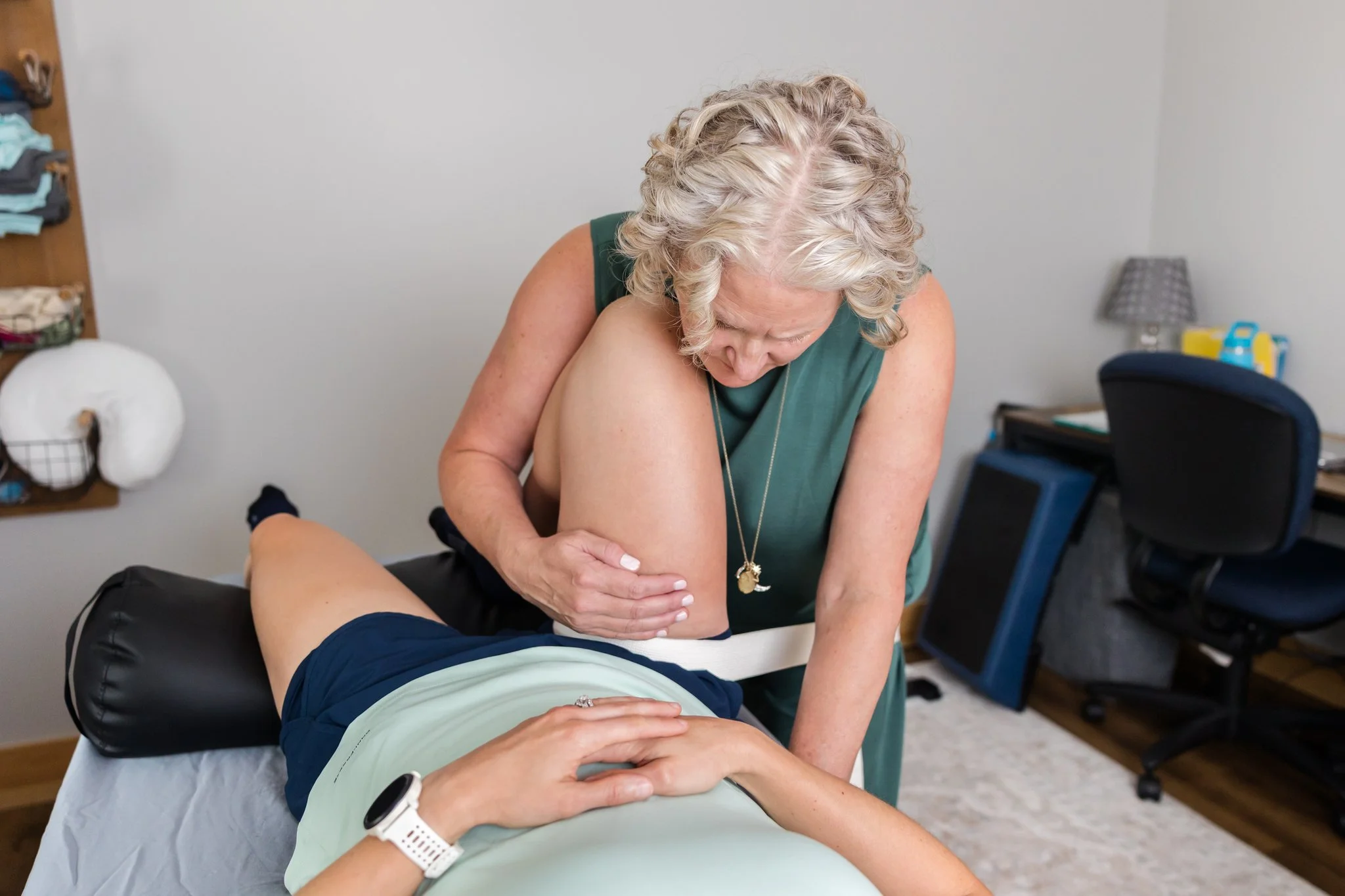
Manual therapy is one of the cornerstones of treatment. Techniques may include visceral mobilization, scar mobilization, improving biomechanics, and easing tension in the abdominal and pelvic tissues.
Manual therapy is one of the cornerstones of my care, and postpartum that often includes scar tissue mobilization for C-section or perineal scars, addressing visceral fascial restrictions, and easing tension in the abdominal and pelvic tissues.
-
Movement
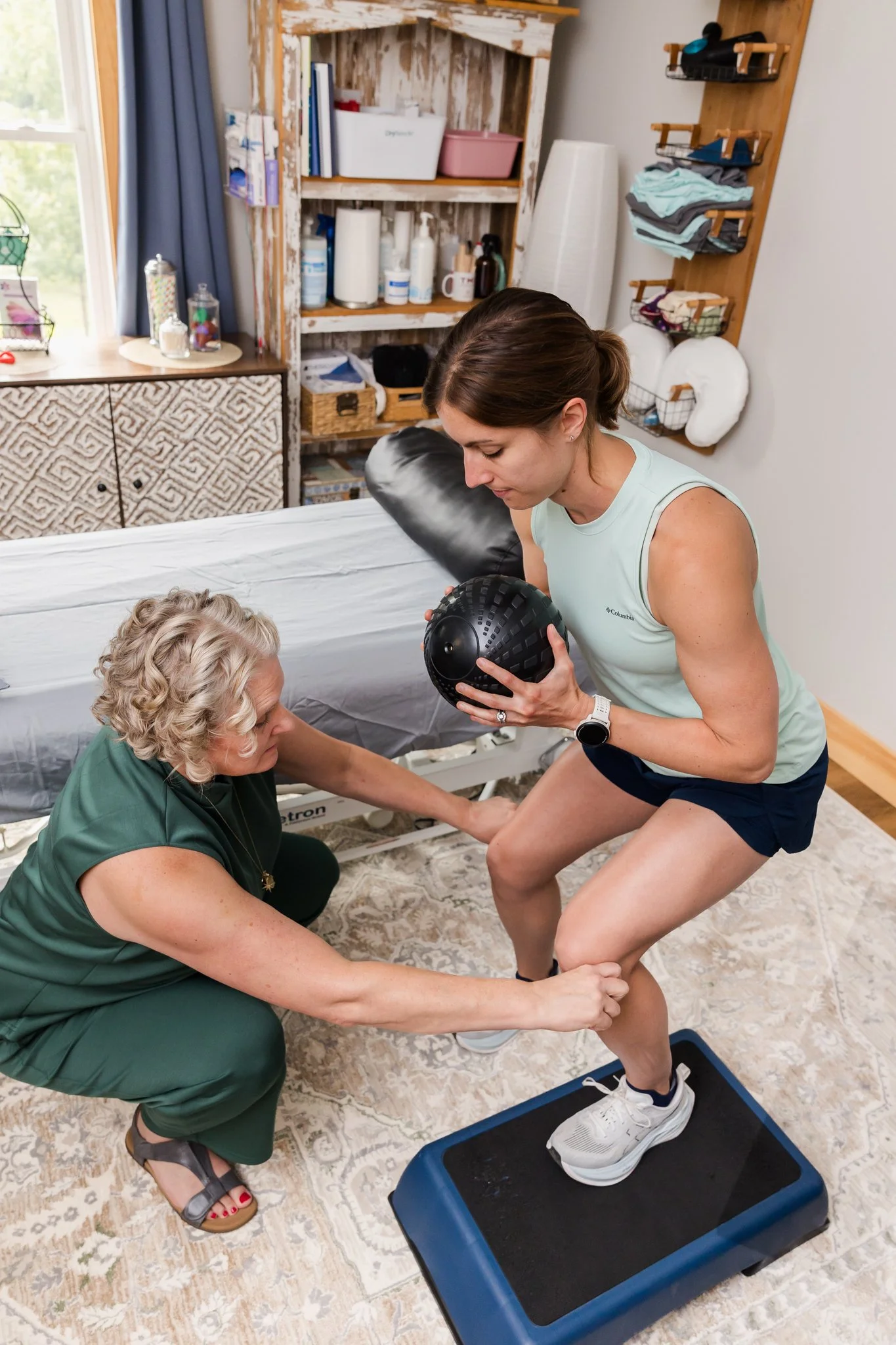
While manual therapy is powerful, movement is medicine, and it's just as essential for postpartum recovery. That means rebuilding strength through movement that fits where you're at, supporting posture and breath mechanics, promoting pelvic floor function, and reconnecting with your body's ability to move, adapt, and heal, whether that's returning to a workout you love or just picking up your kids without pain.
-
Home Program
Lastly, you’ll also be given an individualized home program, symptom management strategies, and lifestyle modifications to complement your sessions and keep things moving forward between visits.
Frequently Asked Questions about Postpartum Physical Therapy
-
As soon as you’d like!, Most women begin 4-6 weeks after delivery. There is no internal examination or internal manual work performed until you are cleared by your OB. However, there are many other treatment options that don’t require internal work and will help promote healing and restore function.
-
C-section scars can be numb, tingly, and painful. Not just for days, but for months and years post-partum. The underlying connective tissue can adhere to its neighboring tissues and organs. It can interfere with the normal workings of your deep core musculature including your pelvic floor. Working on these tissues early on (versus the ones I often see 12 years out…Yes, I am looking at you!) can help reduce the dysfunction the scar tissue may have created. Some women view their C-section scar as a sign of defeat and a reminder of an alternative plan to their dream birth story. This can lead to a disconnect, and avoidance of this part of their body, which can lead to dysfunction. Girl, I want you to wear that battle wound like a freaking badge of honor. You earned that! Let me help you through these stages and slowly teach you to look at, touch, and love that part of your body again.
-
The short answer is yes. In many instances, pelvic pressure and bulge is noticeable directly post-partum. This can be reversed as the connective tissues and muscles heal and get stronger. With more advanced presentations, pelvic floor physical therapy and other additional modalities such as pessary support can be helpful for reversing and/or reducing the progression of the prolapse and associated symptoms.
-
An exam from a Pelvic PT may entail an internal examination of the pelvic floor musculature and local organs and tissues either by a vaginal and/or rectal approach. This provides information to rule in or out pelvic floor dysfunction and helps provide the best treatment plan possible.
-
Yes. It is not uncommon for moms to bring their infants. Crawling babies, toddlers on the move, and young children may be distracting for you, and I would encourage trying to find a sitter. I want this experience to be what is most calming and therapeutic for you with minimal distractions.
-
A partner, friend, or chaperone is always welcome. I want you to do what makes you most comfortable.
-
Pelvic floor therapy is so much more than kegels. Before we do anything else, we want to determine if Kegels would even be indicated for your specific type of pelvic floor dysfunction. If the answer is yes, we would assess if you have been doing them correctly. More often than not, treating pelvic floor dysfunction requires more than strengthening the pelvic floor, which is why Kegels alone often don’t resolve symptoms. Long-term resolution of symptoms requires an approach that identifies what system(s) is/are affecting the pelvic floor, and correcting the function outside the pelvis.